Apple's Vision Pro represents the most ambitious attempt yet to bring mixed reality into everyday computing. The device offers stunning visual fidelity and intuitive controls but comes with significant practical limitations. Our comprehensive review explores whether this $3,499 headset justifies its premium price tag.
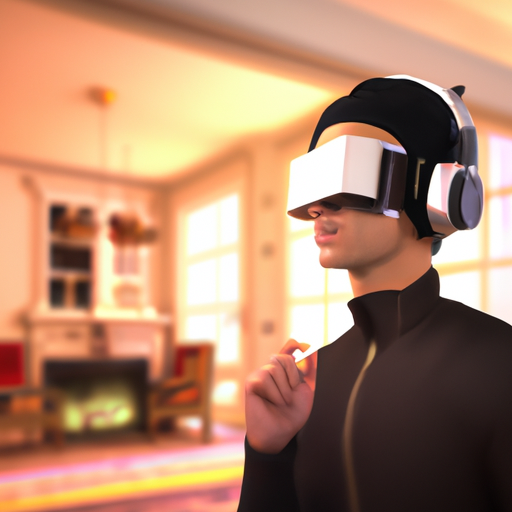
After two weeks of intensive testing, it's clear that Apple's Vision Pro represents both the most impressive and most conflicted product launch in recent memory. This mixed reality headset showcases Apple's legendary attention to detail and innovation, while simultaneously highlighting the current limitations of spatial computing technology.
The first thing that strikes you about the Vision Pro is its build quality. The combination of aluminum, glass, and cushioned materials feels premium and purposeful. At 650 grams, it's heavier than many competitors, but the dual-band design distributes weight reasonably well for shorter sessions. However, extended use beyond 2-3 hours can become uncomfortable despite the thoughtful ergonomics.
Visual quality is where the Vision Pro truly shines. The micro-OLED technology delivers stunning 4K resolution per eye with remarkable clarity and color accuracy. The passthrough cameras provide the clearest view of your surroundings we've seen in any mixed reality device, though there's still a noticeable difference from natural vision, particularly in low light.
The interface, powered by visionOS, represents a bold reimagining of how we interact with computers. Eye tracking and hand gestures feel natural and responsive, though there's still a learning curve. The ability to place unlimited virtual screens in your environment and seamlessly switch between tasks is genuinely revolutionary, suggesting a future where physical monitors become obsolete.
Performance from the M2 chip combined with the R1 processor is impressive, handling multiple high-resolution displays and complex applications without noticeable lag. Battery life, however, remains a significant limitation at 2-3 hours of typical use. The external battery pack, while allowing for easy swapping, feels like an inelegant solution for a premium device.
App compatibility is currently a mixed bag. Native visionOS apps showcase the platform's potential, with standout experiences in productivity, entertainment, and creativity. However, the limited selection at launch means many users will rely on iPad apps in compatibility mode, which doesn't always translate well to spatial computing.
One of the most impressive features is the device's spatial awareness and room mapping. The Vision Pro creates detailed models of your environment and remembers app placement between sessions. This creates a persistent workspace that feels more natural than traditional computing interfaces, though it requires some reorganization of your physical space for optimal use.
Social features present both opportunities and challenges. The EyeSight display, showing your eyes to others, is an interesting attempt to maintain human connection, but feels more like a proof of concept than a practical solution. Video conferencing through Persona avatars shows promise but currently sits firmly in the uncanny valley.
Productivity applications demonstrate the Vision Pro's potential as a work device. The ability to arrange multiple virtual displays, reference documents while writing, and manipulate 3D models in space feels transformative. However, the current lack of a good text input solution beyond voice and virtual keyboards limits its effectiveness for tasks requiring extensive typing.
Entertainment experiences are a highlight, with the spatial audio system delivering impressive immersion for movies and games. The ability to create virtual screens of any size is compelling, though the device's weight can detract from longer viewing sessions. The inclusion of Disney+ spatial videos hints at future entertainment possibilities.
Privacy and security features are robust, with iris scanning for authentication and careful controls over environmental scanning. However, the device's numerous cameras and sensors raise inevitable questions about data collection and privacy in mixed reality computing.
Developers will play a crucial role in the Vision Pro's future success. The visionOS SDK offers powerful tools for creating spatial experiences, but the high price point and limited initial user base may slow third-party app development.
At $3,499, the Vision Pro is clearly positioned as a premium device for early adopters and professionals. While it offers genuine innovations and hints at the future of computing, it's difficult to recommend for most consumers at this price point given its current limitations.
The Vision Pro represents an impressive technical achievement and a bold vision for the future of computing. However, like many first-generation products, it faces practical limitations that may limit its appeal beyond enthusiasts and specific professional use cases. As the platform matures and prices eventually decrease, the fundamental innovations in spatial computing demonstrated by the Vision Pro will likely influence the future of human-computer interaction.