Apple's Vision Pro represents a paradigm shift in how we interact with digital content and mixed reality. The device offers unprecedented visual fidelity and intuitive controls that blur the line between physical and digital worlds. Despite its high price point, it showcases the future of computing and entertainment.
Apple's Vision Pro marks a defining moment in the evolution of personal computing, representing the tech giant's most ambitious product launch since the original iPhone. This comprehensive mixed reality headset, priced at $3,499, promises to revolutionize how we interact with digital content and spatial computing. After extensive testing, it's clear that while the device isn't perfect, it represents a significant leap forward in the realm of mixed reality technology.
The hardware itself is a marvel of engineering. The micro-OLED technology delivers stunning visual clarity with two displays offering a combined 23 million pixels. The visual fidelity is remarkable, with colors that pop and blacks that are truly deep, making both virtual content and pass-through video appear incredibly natural. The field of view, while not infinite, provides an immersive experience that feels significantly more expansive than current VR headsets.
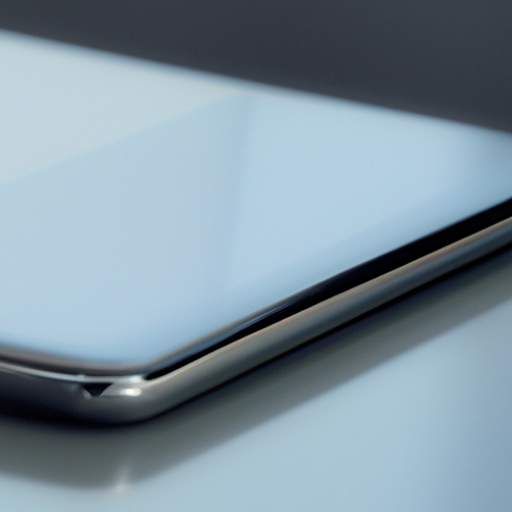
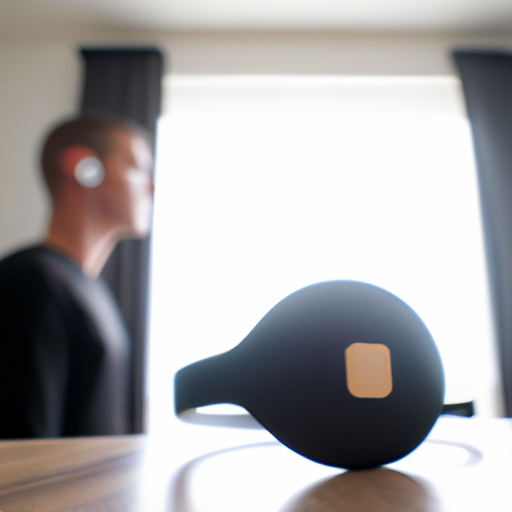
One of the most impressive aspects of the Vision Pro is its external design and comfort considerations. Despite packing powerful computing components, the headset maintains a relatively sleek profile. The dual-band system distributes weight effectively, though extended sessions can still cause some fatigue. The cushioned light seal creates an effective barrier against light leakage while maintaining comfort.
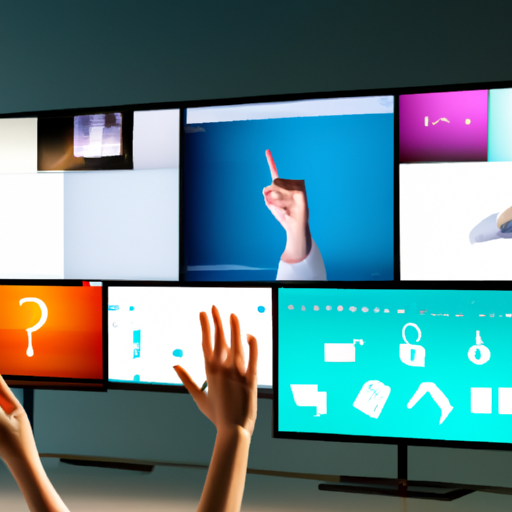
The control system is where the Vision Pro truly shines. Eye tracking and hand gesture controls feel natural and responsive, creating an intuitive interface that makes traditional controllers seem primitive by comparison. The ability to simply look at an element and pinch to select it becomes second nature within minutes. This interface paradigm represents a significant step forward in human-computer interaction.
Spatial computing, Apple's term for the Vision Pro's operating system environment, offers a compelling glimpse into the future of computing. The ability to place multiple virtual displays in your physical space, manipulate 3D objects, and seamlessly switch between augmented and virtual reality creates a versatile workspace that could genuinely enhance productivity for many professionals.
The EyeSight feature, which displays a rendering of your eyes on the external display, is an interesting attempt to maintain human connection while wearing the device. While the implementation isn't perfect, it represents an important consideration in making mixed reality technology more socially acceptable.
Content consumption on the Vision Pro is transformative. Watching movies on a virtual screen that can be as large as you desire, with excellent color reproduction and 3D capabilities, creates an unparalleled personal cinema experience. Spatial video capture and playback capabilities offer a new way to relive memories, though the quality of these recordings varies depending on lighting conditions.
Productivity applications showcase the potential of spatial computing. The ability to have multiple floating windows, interact with 3D models, and collaborate in virtual spaces offers genuine advantages over traditional computing setups. However, the current app ecosystem, while growing, still needs time to mature and fully utilize the platform's capabilities.
Battery life remains a concern, with the external battery pack providing around 2-2.5 hours of use. While the decision to separate the battery from the headset helps with weight distribution, it does create some limitations in mobility and convenience.
The Vision Pro's cameras and sensors enable impressive pass-through video quality, making it possible to interact with your physical environment while wearing the device. However, there can be occasional latency in challenging lighting conditions, and the field of view limitations become more noticeable when trying to perform precise physical tasks.
Developers will play a crucial role in the Vision Pro's success. The visionOS SDK provides powerful tools for creating spatial computing experiences, and early developer adoption suggests strong interest in the platform. The potential for new applications and use cases is vast, from professional tools to entertainment experiences.
While the $3,499 price point will limit initial adoption to enthusiasts and professionals, the Vision Pro represents an important step forward in the evolution of computing interfaces. It's not just a VR headset or an AR device – it's a new computing platform that could fundamentally change how we interact with digital content.
The Vision Pro isn't perfect, but it's a remarkable achievement that showcases Apple's ability to enter a new product category with a compelling and polished first-generation device. As the spatial computing ecosystem develops and future iterations address current limitations, the Vision Pro could mark the beginning of a new era in personal computing.