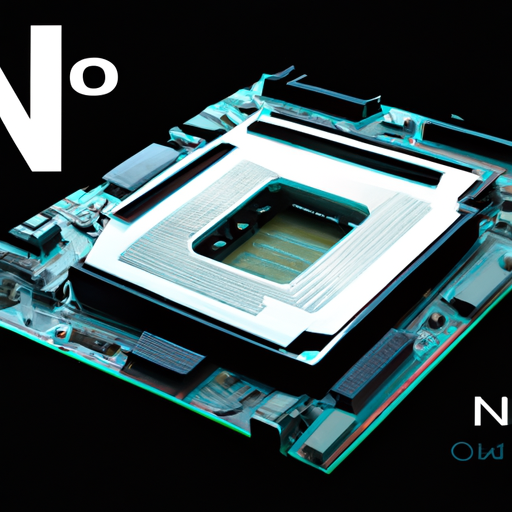

Quantum computing is reaching a pivotal moment as tech giants achieve new breakthroughs in qubit stability. Major companies are now racing to develop practical quantum applications for industries from finance to drug discovery. These developments signal that quantum supremacy could arrive sooner than expected, potentially revolutionizing computing within the decade.

The world of computing stands on the brink of a revolution as quantum computing moves from theoretical possibility to practical reality. Recent breakthroughs in qubit coherence and error correction have accelerated development timelines, bringing us closer to quantum supremacy - the point at which quantum computers can solve problems beyond the reach of classical computers.
In a landmark achievement announced this month, researchers at IBM demonstrated a 1000-qubit processor with unprecedented stability, maintaining quantum states for over 100 microseconds. This represents a critical milestone in addressing one of quantum computing's greatest challenges: maintaining delicate quantum states long enough to perform meaningful calculations.
The implications of these advances extend far beyond the laboratory. Financial institutions are already developing quantum algorithms for portfolio optimization and risk analysis that could transform how markets operate. Drug discovery could be revolutionized as quantum computers model molecular interactions with perfect accuracy, potentially reducing the time and cost of developing new medicines by orders of magnitude.
But what makes quantum computers so powerful? Unlike classical computers that use bits representing either 0 or 1, quantum computers utilize qubits that can exist in multiple states simultaneously through a phenomenon called superposition. This allows quantum computers to process vast amounts of information in parallel, solving certain types of problems exponentially faster than traditional computers.
The race for quantum supremacy has intensified as major tech companies and startups compete to develop practical quantum applications. Google, IBM, and Microsoft have all made significant investments in quantum research, while countries like China and the United States are pouring billions into national quantum initiatives.
However, significant challenges remain. Quantum computers require extreme cooling to near absolute zero temperatures to maintain quantum states. Error rates must be further reduced, and more stable qubit architectures need to be developed. The field also faces a shortage of qualified quantum engineers and programmers.
Despite these challenges, the potential applications of quantum computing are staggering. In cryptography, quantum computers could break many current encryption methods, necessitating the development of quantum-resistant cryptography. Climate modeling could become vastly more accurate, helping us better understand and address climate change. Complex optimization problems in logistics and supply chain management could be solved in minutes rather than days.
The impact on artificial intelligence and machine learning could be equally transformative. Quantum algorithms could dramatically accelerate training of neural networks and enable new forms of machine learning that are impossible with classical computers. This could lead to breakthroughs in natural language processing, computer vision, and other AI applications.
As quantum computing moves closer to practical reality, businesses and organizations must begin preparing for its impact. This includes understanding potential applications in their industry, developing quantum expertise, and considering quantum-resistant security measures.
The next few years will be crucial for quantum computing development. While universal quantum computers capable of running any quantum algorithm remain years away, specialized quantum processors for specific applications could become commercially viable much sooner. These early quantum advantages in narrow domains could provide significant competitive advantages to early adopters.
Education and workforce development will be critical challenges as quantum computing matures. Universities are beginning to offer quantum computing degrees and certificates, but demand for quantum expertise far exceeds supply. Companies are also investing in internal training programs to prepare their workforce for the quantum era.
The societal implications of quantum computing must also be considered. While the technology promises tremendous benefits, it could also exacerbate digital divides between organizations and countries with access to quantum capabilities and those without. Ethical frameworks for quantum computing applications need to be developed, particularly in sensitive areas like cryptography and surveillance.
As we stand on the cusp of the quantum computing era, it's clear that this technology will transform our digital future in profound ways. The next decade will likely see quantum computers move from research laboratories to practical applications, ushering in a new era of computational capability. Organizations that prepare now for this quantum future will be best positioned to harness its transformative potential.