
The latest AI-powered smartphone cameras are redefining mobile photography with computational techniques that rival professional equipment. Major manufacturers have integrated advanced neural networks that can process images in real-time, producing stunning results in challenging conditions. These developments are democratizing professional-quality photography, making it accessible to everyday users.
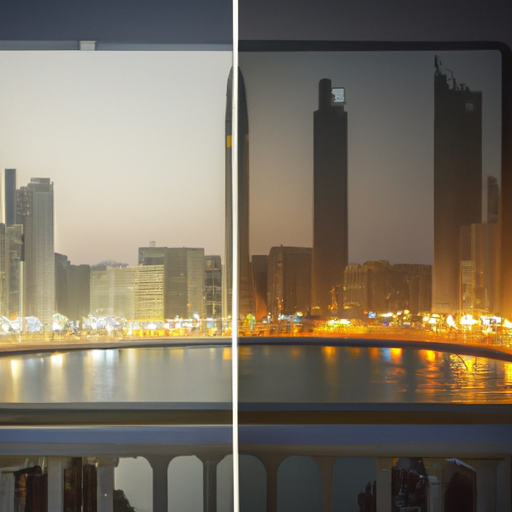
The landscape of smartphone photography is undergoing a dramatic transformation, driven by artificial intelligence that's pushing the boundaries of what's possible with mobile cameras. This comprehensive analysis explores how AI is revolutionizing the way we capture and process images on our phones.
At the heart of this revolution lies sophisticated machine learning algorithms that can analyze scenes in real-time, making split-second decisions about exposure, focus, and color balance. These systems have been trained on millions of photographs, learning to recognize optimal shooting conditions and automatically adjusting camera settings to achieve the best possible results.
One of the most significant advances has been in computational photography, where multiple frames are captured and combined instantaneously. This technique, powered by AI, allows smartphones to overcome their physical limitations, producing images with dynamic range and detail that would have been impossible just a few years ago.
Low-light photography has seen particularly impressive improvements. Modern AI systems can now gather light information from dozens of frames, intelligently combining them to create bright, clear images in near-darkness, while maintaining natural colors and reducing noise. This capability has essentially eliminated one of the biggest historical limitations of smartphone cameras.
Portrait photography has also been transformed by AI-powered depth sensing and segmentation. Advanced algorithms can now create sophisticated bokeh effects that rival those produced by expensive DSLR lenses, while also offering unprecedented control over depth-of-field after the photo has been taken.
Real-time object recognition and scene optimization have become increasingly sophisticated. Modern smartphones can identify hundreds of different scenes and subjects, automatically adjusting settings to capture them in the most flattering way possible. Whether it's food photography, landscape shots, or action sequences, the AI knows exactly how to optimize the image.
The integration of neural networks has also revolutionized post-processing capabilities. Features like portrait lighting, skin smoothing, and even expression modification can be applied with remarkable precision, thanks to AI's ability to understand facial features and lighting conditions in extraordinary detail.
Perhaps most impressively, these AI systems continue to learn and improve through user interaction. Every photo taken contributes to the system's understanding of photography, leading to increasingly sophisticated and accurate results over time.

However, this AI revolution isn't without its challenges and controversies. Questions about image authenticity and the balance between enhancement and reality have become increasingly relevant as these technologies become more powerful.
Looking ahead, the future of smartphone photography appears even more exciting. Manufacturers are working on AI systems that can predict action sequences before they happen, ensuring perfect timing for sports and wildlife photography. Others are developing algorithms that can generate entirely new perspectives from multiple angles, allowing for post-capture adjustments that were previously impossible.
For professional photographers, these developments represent both an opportunity and a challenge. While AI-powered smartphones are making it easier for anyone to capture stunning images, they're also pushing professionals to find new ways to differentiate their work and adapt to changing technology.
As we look to the future, it's clear that AI will continue to play an increasingly important role in smartphone photography. The combination of powerful hardware and intelligent software is creating possibilities that were once the realm of science fiction, and the pace of innovation shows no signs of slowing down.