
After two weeks of extensive testing, we dive deep into Apple's revolutionary mixed reality headset. The Vision Pro sets new standards for spatial computing with groundbreaking features and intuitive controls. Despite its premium price point, this device could reshape how we interact with digital content.
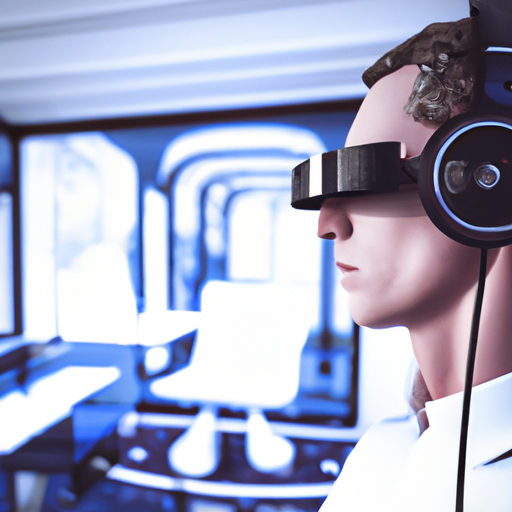
Apple's Vision Pro represents a watershed moment in the evolution of personal computing, marking the tech giant's most ambitious product launch since the original iPhone. After spending two intensive weeks testing this revolutionary device, it's clear that Apple has once again redefined what's possible in consumer technology, though not without some important caveats.
The first impression of the Vision Pro is striking – its sleek, curved front panel and premium materials immediately distinguish it from existing VR headsets. The build quality is exceptional, with a precision-engineered aluminum and glass construction that feels worthy of its premium price point. The custom head strap system, while initially complicated to adjust, provides remarkable comfort during extended use.
Powered by Apple's new R1 and M2 chips, the Vision Pro delivers unprecedented performance in spatial computing. The visual fidelity is remarkable, with dual micro-OLED technology providing 23 million pixels across both eyes. The clarity and color accuracy surpass any current consumer headset, making text crisp and readable while delivering stunning visual experiences.
Eye and hand tracking, the primary interaction methods, feel natural and responsive. The system's ability to detect subtle eye movements and hand gestures is impressive, though there's a learning curve to master the interface. After several days, navigating the spatial operating system becomes intuitive, making traditional touchscreens feel somewhat primitive in comparison.
The passthrough technology, which allows users to see their physical environment, sets new standards for mixed reality. The high-resolution cameras and sophisticated processing create a nearly seamless blend between digital content and the real world. Colors are natural, and latency is minimal, though some users may notice a slight delay in extreme lighting conditions.
Productivity applications showcase the Vision Pro's potential for transforming work. The ability to create infinite virtual displays, manipulate 3D models in space, and collaborate with others through realistic avatars offers a compelling vision of future workplace interaction. However, the current app ecosystem, while growing, still feels limited compared to traditional computing platforms.
Entertainment experiences on the Vision Pro are transformative. The spatial audio system creates convincing 3D soundscapes, while the high-resolution displays make watching movies feel like having a private IMAX theater. Gaming experiences, particularly those optimized for spatial computing, offer new levels of immersion, though the current game library is limited.
Battery life remains a significant consideration. The external battery pack provides about 2-3 hours of continuous use, depending on the applications running. While the battery can be changed without removing the headset, the need for frequent charging may limit some use cases. The external battery design, while allowing for a lighter headset, might not appeal to all users.
The EyeSight feature, which displays a user's eyes on the external screen, is an interesting attempt to maintain human connection while wearing the device. However, the implementation feels more like a first-generation feature that might evolve in future iterations. The display can appear uncanny at times and doesn't always achieve its intended purpose of making interactions more natural.
Software performance is generally smooth, with sophisticated hand and eye tracking enabling new interaction paradigms. However, occasional glitches and app crashes remind us that this is a first-generation product. Apple's regular software updates have already improved stability, suggesting continued refinement of the experience.
Privacy features are robust, with sophisticated eye tracking that requires explicit user consent and secure authentication methods. However, the implications of having cameras and sensors constantly monitoring your environment and movements raise important privacy considerations that users should carefully consider.
The Vision Pro's price point positions it as a premium device for early adopters and professionals. While the technology justifies the cost, mass market adoption will likely require more affordable options. The ecosystem of apps and services will need to expand significantly to make the device a compelling replacement for traditional computing devices.
Despite these considerations, the Vision Pro represents a significant step forward in spatial computing. It demonstrates Apple's ability to integrate cutting-edge technology into a polished consumer product, even if the first generation comes with certain limitations. The device sets new standards for mixed reality experiences and hints at a future where spatial computing becomes a primary computing paradigm.
For professionals, creators, and technology enthusiasts who can justify the investment, the Vision Pro offers a glimpse into the future of computing. While it may not replace traditional devices for all tasks, it excels in specific use cases and opens new possibilities for interaction with digital content. As the platform matures and the ecosystem expands, the Vision Pro's value proposition will likely become even more compelling.