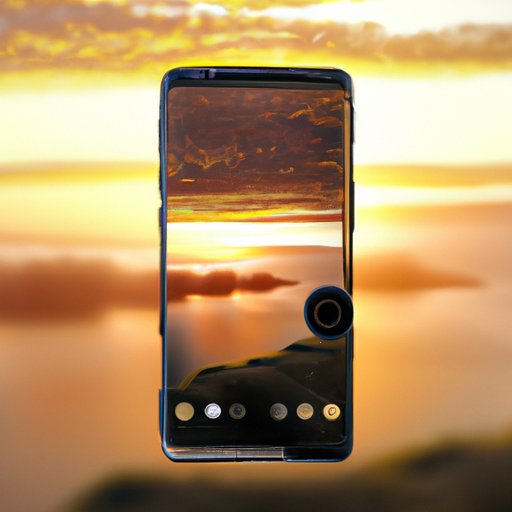
Samsung's latest flagship pushes the boundaries of smartphone photography with its revolutionary AI-enhanced camera system. The device introduces groundbreaking computational photography features that rival professional cameras. Testing reveals exceptional performance in challenging lighting conditions and unprecedented zoom capabilities.

Samsung's latest flagship smartphone, the Galaxy S24 Ultra, represents a significant leap forward in mobile photography, combining cutting-edge hardware with sophisticated AI algorithms to deliver an unprecedented imaging experience. After extensive testing across various scenarios and conditions, it's clear that this device sets a new standard for what's possible with smartphone photography.
The hardware specifications alone are impressive: a 200MP main sensor, accompanied by a 12MP ultrawide and two telephoto lenses offering 3x and 10x optical zoom. However, it's the integration of advanced AI processing that truly sets this device apart from its predecessors and competitors.
One of the most notable improvements is the new AI-powered image processing system. Unlike traditional computational photography, which applies preset algorithms, the S24 Ultra's AI analyzes scenes in real-time, making dynamic adjustments to multiple parameters simultaneously. This results in photos that not only look more natural but also capture details that would be lost with conventional processing.
Low-light performance has seen a remarkable improvement. The combination of the large main sensor and AI noise reduction produces clean, detailed images even in challenging lighting conditions. Night mode photos show better color accuracy and less artificial brightening compared to previous generations, maintaining a more realistic atmosphere while still revealing plenty of detail.
Portrait mode has received a significant upgrade through advanced AI depth mapping. The system now better understands complex scenes, handling challenging elements like hair and transparent objects with greater accuracy. The ability to adjust focus after taking the shot has also been refined, offering more precise control over the depth effect.
The zoom capabilities of the S24 Ultra deserve special mention. While the hardware specifications remain similar to its predecessor, the new AI-enhanced processing makes a noticeable difference in image quality at all zoom levels. The 10x optical zoom produces impressively sharp images, and even digital zoom up to 100x is more usable than before, thanks to improved stabilization and detail preservation.
Video capabilities have also seen significant improvements. The new AI-powered stabilization system provides smooth footage even during active movement, rivaling dedicated action cameras. The ability to record 8K video at 30fps remains, but with better heat management and reduced battery drain. The introduction of AI-powered features like automatic subject tracking and focus pulling adds professional-level capabilities to video recording.
Color science has been refined, striking a better balance between vibrancy and accuracy. The AI processing adapts color reproduction based on the scene and lighting conditions, resulting in more natural-looking images while maintaining the signature Samsung look that many users appreciate. The system also does a better job of preserving skin tones across different lighting conditions.
The camera app interface has been streamlined while adding more advanced features for those who want them. Pro mode offers extensive manual controls, and the new AI-assisted auto mode suggests optimal settings based on the scene. The integration of editing tools powered by generative AI allows for sophisticated post-processing directly on the device.
Battery life while using the camera has been improved, despite the more powerful processing. This is particularly noticeable during extended photo sessions or video recording, where previous models might have struggled with heat and power consumption.
The S24 Ultra's computational photography capabilities extend beyond traditional photos and videos. The device includes new features for astronomical photography, document scanning with text recognition, and advanced portrait lighting effects that simulate studio lighting setups.
While the camera system is impressive overall, there are some areas where improvement is still possible. The AI processing, while generally excellent, can occasionally be too aggressive in certain scenarios, and some users might prefer a more natural look. The Pro mode, while comprehensive, could benefit from better integration with the AI features.
The price point remains premium, positioning the S24 Ultra at the high end of the smartphone market. However, for photography enthusiasts and professionals who value having a capable camera system always at hand, the investment may be justified by the device's capabilities.
In conclusion, the Samsung Galaxy S24 Ultra represents a significant advancement in smartphone photography. The combination of premium hardware and sophisticated AI processing creates a versatile camera system that can handle virtually any photographic challenge while remaining accessible to users of all skill levels. While there's always room for improvement, this device sets a new benchmark for what we can expect from mobile photography.